Scaling Output Through Advanced Process Logic

I wanted to make a genuine intervention in the lives of other artists. My areas, almost all of them were at one time deserted. On the block and in the area, many who could leave , did. Effect to me is about action. It is hard to comprehend that in an area where there is abject poverty, simply choosing to remain becomes an extreme act, even if you didn't mean for it to be extreme.
It is also sensible to have worry that the poorest within these neighborhoods may find themselves displaced. But the fact of the projejct is that so much more is needed from all of us, policy makers, authors, activists, lobbyists, business owners and women, preachers and instructors and thinkers and artists. The majority of people would rather do absolutely nothing out of the affordable fear of exposure. No one says anything. Dorchester Art and Housing Collaborative (DAHC )is a job done in partnership with Brinshore Developers, designers Landon, Bone, Baker; Rebuild Structure and the Chicago housing Authority, Dorchester Art and Real Estate. It is the clearest and most intentional intervention around the concern of artist housing and artist's requirements I have actually done. The work is quiet and sincere and lovely. I am so grateful for.
the generations of teams that have assisted me in these efforts. As a life specialist, the possible interventions and engagements are unlimited. Rather than only stepping in with these subjective, museum-based tasks, I had to attempt to do something that had weight in concrete space; Black space. How do we build trust in a period of false information, social networks, and synthetic intelligence? In this episode of Transmittable IDeas, NFID CEO Rebecca Alvania, PhD, MA, MPH, and NFID Medical Director Robert H. Hopkins, Jr., MD, talk with Heidi J. Larson, PhD, director of the Vaccine Confidence Project. Despite being the biggest group within the LGBTQ+ neighborhood with 24 %of queer youth identifying as bisexual bisexual, pansexual, and queer youth continue to face systemic biphobia, discrimination, and bi-erasure. Bisexual youth often report higher rates of stress and anxiety, depression, and suicide threat compared to their monosexual peers, driven in big part by stereotyping and consistent misconceptions of their identity, like the idea that bisexual attraction has to be" 50/50" or omits
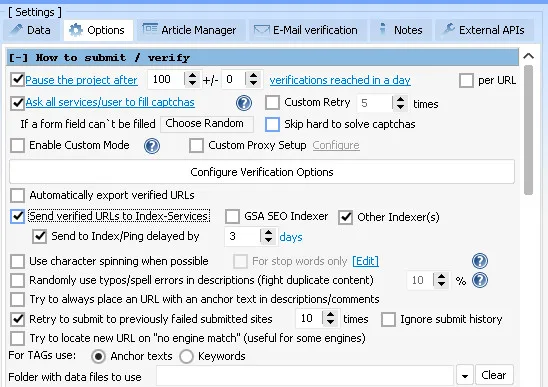
custom GSA SER projects
trans and nonbinary people.